
Leaks, storms and appliance failures happen. Using the latest techniques, equipment and products, we repair cupped, stained and rotted boards so it looks like the water damage never occurred.
Stop the water source, wipe up standing water, run fans and A/C to dry the room, and take photos for insurance. Then call us, the sooner floors are assessed, the more boards can usually be saved.
Board edges raised higher than the centers, like shallow troughs.
Boards bulging up in the middle or lifting off the subfloor.
Dark marks around sinks, dishwashers, refrigerators and plants.
Boards that flex or feel spongy underfoot.
A sign moisture may be trapped under the floor.
Cloudy patches where water has gotten under the finish.
Hardwood swells when it absorbs water. Boards first “cup”, edges higher than the center, and if they’re left wet, they can crown, buckle, stain black or start to rot. It’s alarming, but many water-damaged floors can be saved once the wood and subfloor have dried properly.
The biggest mistake is sanding too soon. If a cupped floor is sanded flat while it’s still wet, the boards shrink as they dry and end up crowned. We measure moisture first and only repair when the floor is ready.
We check moisture in the boards and subfloor, map the affected area, and tell you what can be saved and what needs replacing.
Floors must dry evenly before repair. In Houston’s humidity, that also means watching for mold and mildew under the boards and treating affected areas.
Boards that are rotted or permanently stained are removed and replaced with matching species, width and grain, woven in so there’s no visible patch line.
Finally, the repaired area, and usually the whole room, is sanded and refinished so new and original boards share one consistent color and sheen.
If you’re filing a claim, we provide a detailed written estimate and photos of the damage that you can share with your adjuster. Coverage decisions are always made by your insurance company, but clear documentation helps the process go smoothly.
Call us 7 days a week, 8 am to 6 pm. Photos help us advise you faster.
Moisture readings and a clear plan for what can be saved.
Floors and subfloor dried evenly; mold risk addressed.
Damaged boards removed and matched replacements woven in.
Sanded and finished so the repair disappears.
Photos and written estimate for your records and insurer.
Sometimes, partly, once the floor dries out fully. That is why we measure moisture before deciding whether to sand, repair or replace boards.
Light grey marks often sand out. Deep black stains usually go through the board, so we replace those boards and blend them in.
Rarely. Most water damage is local, and we replace only the affected boards, then refinish so everything matches.
Often, yes, if the core has not delaminated. We will assess the boards and source matching material when replacement is needed.
We provide a detailed estimate and photos for your adjuster. Your insurer decides coverage.
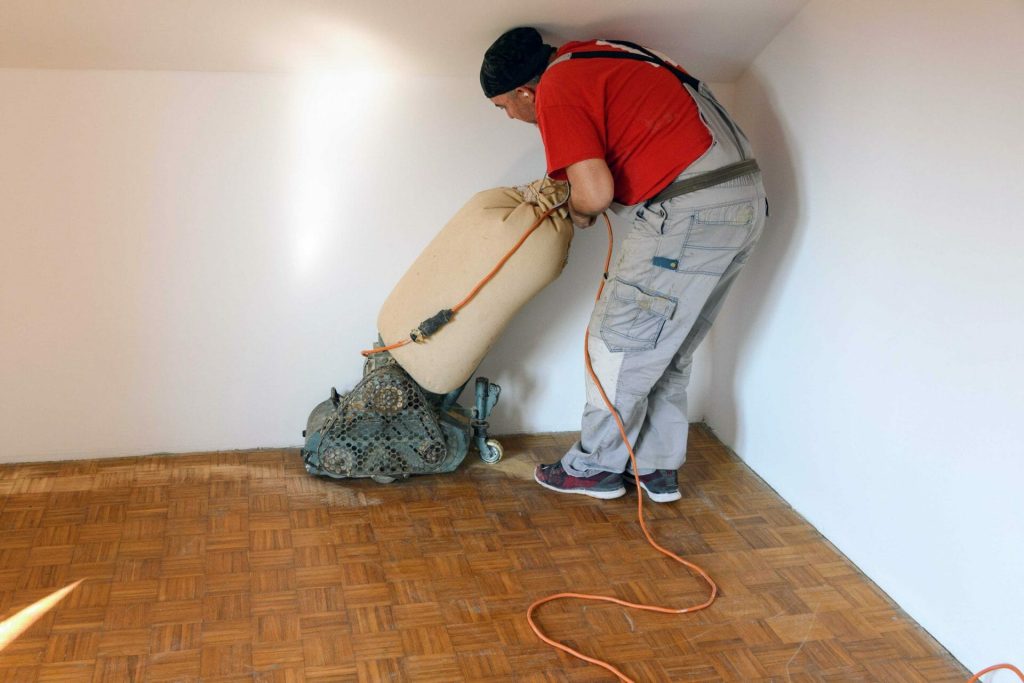
Sanding, refinishing, staining and new installs, solid or engineered.
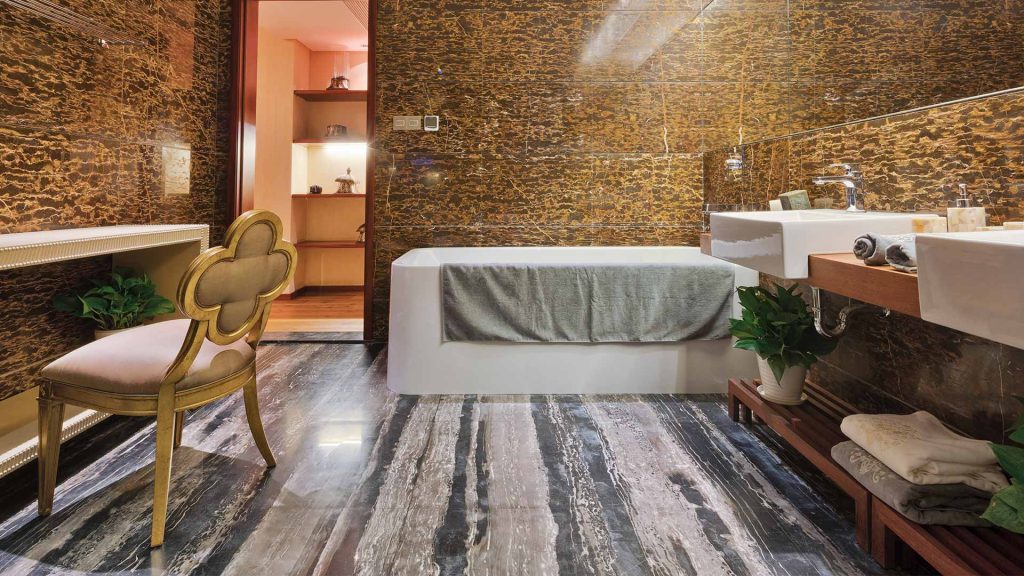
Etch and scratch removal, honing and a high-gloss polish.
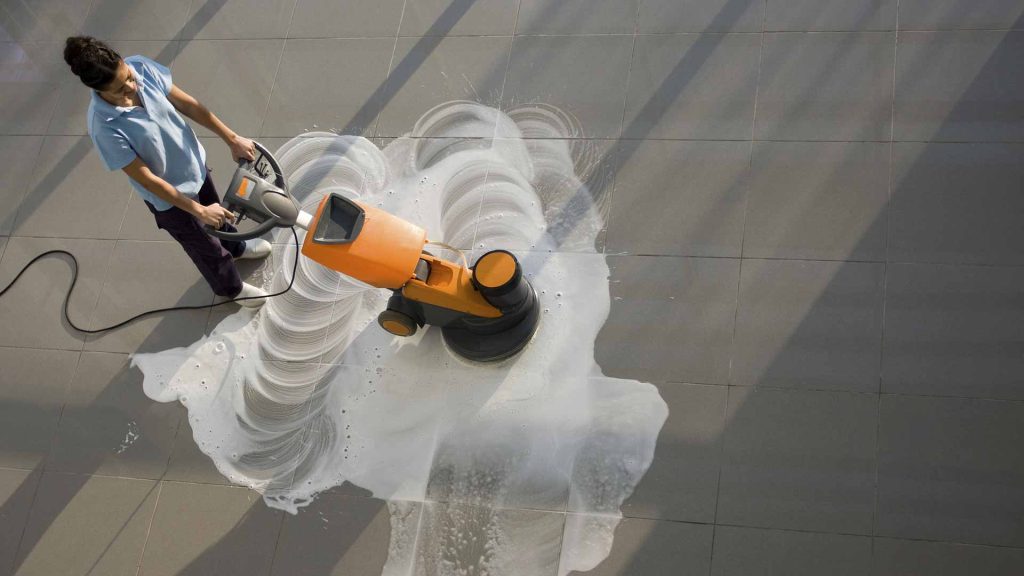
Deep-cleaned grout lines and sealed tile that stays clean longer.
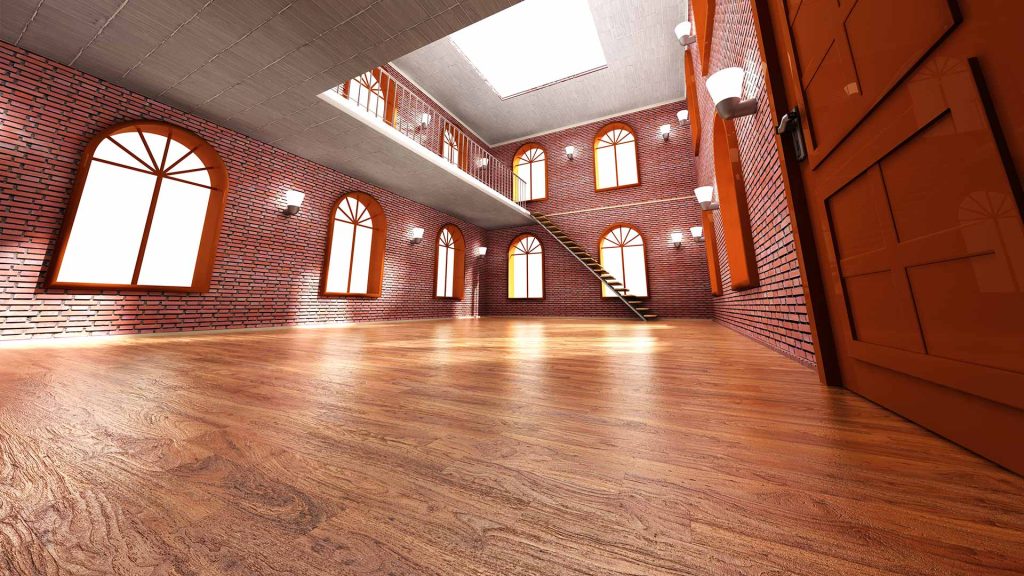
We’ll inspect your floors, lay stain samples, and give you a clear written quote. No pressure, no subcontractors, ask about our lifetime warranty.