
Etched, dull or scratched marble doesn’t need replacing. We hone out the damage and polish natural stone back to a deep, even shine, then seal it so it stays that way.
Entryways and hallways that have lost their reflection where people walk most.
Dull rings or spots from drinks, citrus or acidic cleaners.
Fine scratches from grit, furniture legs and pet claws.
Lippage you can feel with your foot or see in raking light.
Oil, rust or water stains soaked into porous stone.
Open pits that collect dirt and look unfinished.
Marble is made mostly of calcium carbonate, which reacts with acids. A splash of lemon juice, wine, soda or the wrong household cleaner leaves a dull “etch” mark that no amount of scrubbing removes. Add grit tracked in from outside and years of foot traffic, and even the most beautiful foyer turns cloudy and scratched.
The fix isn’t a coating or a wax. Those just sit on top and wear off. Real restoration removes a microscopically thin layer of damaged stone and refines what’s underneath until it reflects light again.
When tiles sit at uneven heights or have deep scratches, we flatten the surface so it looks like one continuous slab and stops catching dirt and toes.
Progressively finer diamond pads remove etching and wear. Many homeowners stop here for a soft, low-sheen honed look that’s more slip-resistant and hides future etching.
For a mirror finish, we continue to polishing grits and compounds that bring out the depth and color of the stone.
Travertine holes, chips and hairline cracks are filled with color-matched resin before polishing so the repair blends in.
A penetrating sealer helps protect porous stone from oil and water stains, important in kitchens, bathrooms and Houston’s humid climate.
Marble, travertine, limestone, slate and other natural stone floors, plus terrazzo and stone countertops. Not sure what you have? We’ll identify it during your estimate and explain which finish suits how you use the room.
We’ll test a small area so you can see the finish before you commit.
We identify the stone and polish a test spot so you can approve the finish.
Walls, cabinets and baseboards are masked against slurry.
Chips, holes and cracks filled with color-matched resin.
Diamond grits refine the stone to the sheen you chose.
Penetrating sealer applied, plus a simple care routine to follow.
With a pH-neutral cleaner, felt pads on furniture and doormats at entries, a polished floor can look great for years. High-traffic areas may need a light maintenance polish over time.
Yes. Etching is surface damage, so honing removes it. Deep scratches may need grinding first.
Polished looks dramatic and reflects light; honed is softer, more slip-resistant and hides future etching. We can show you both on a test area.
We use a wet process, which keeps dust down. Slurry is contained and cleaned up as we go, and surrounding surfaces are masked.
Yes, stone floors and walls in bathrooms, plus vanity tops. Ask about it during your estimate.
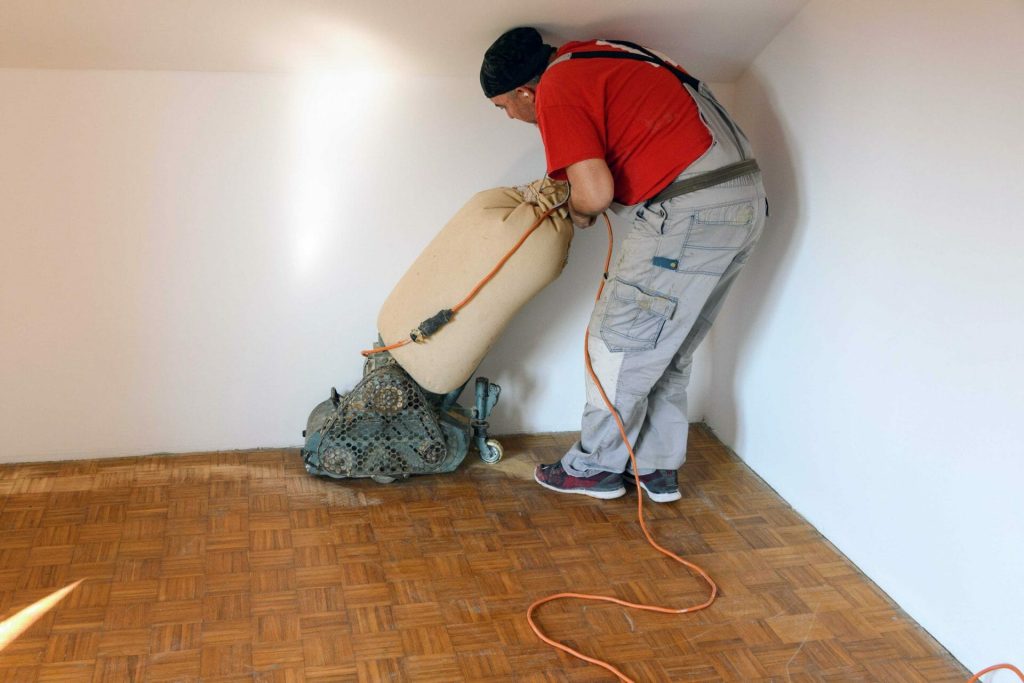
Sanding, refinishing, staining and new installs, solid or engineered.

Deep-cleaned grout lines and sealed tile that stays clean longer.
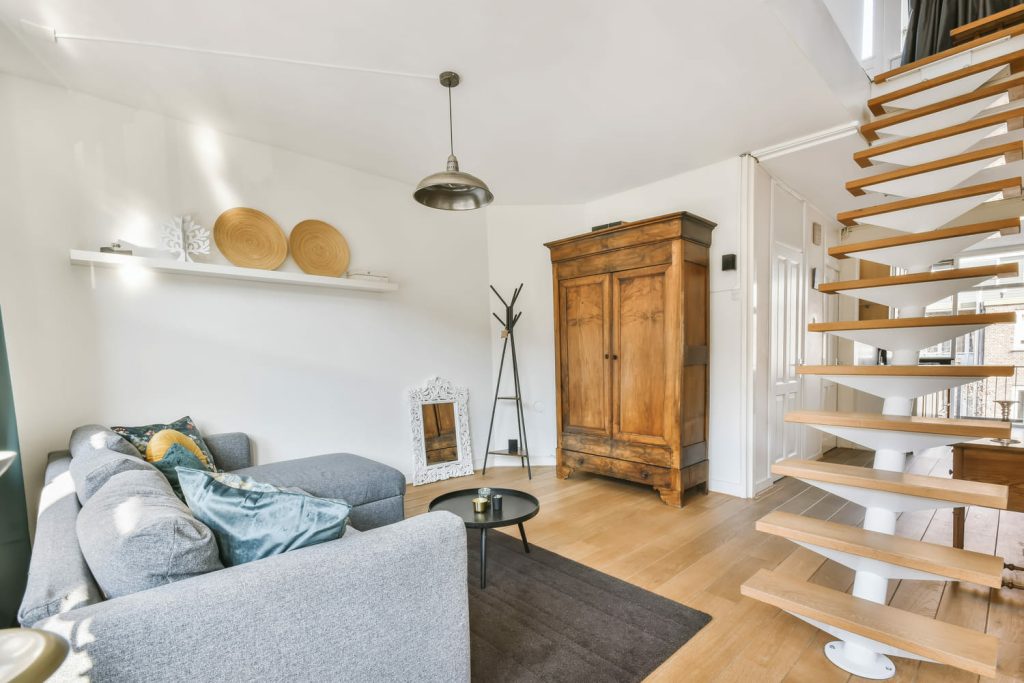
New treads, refinished railings and stairs matched to your floors.
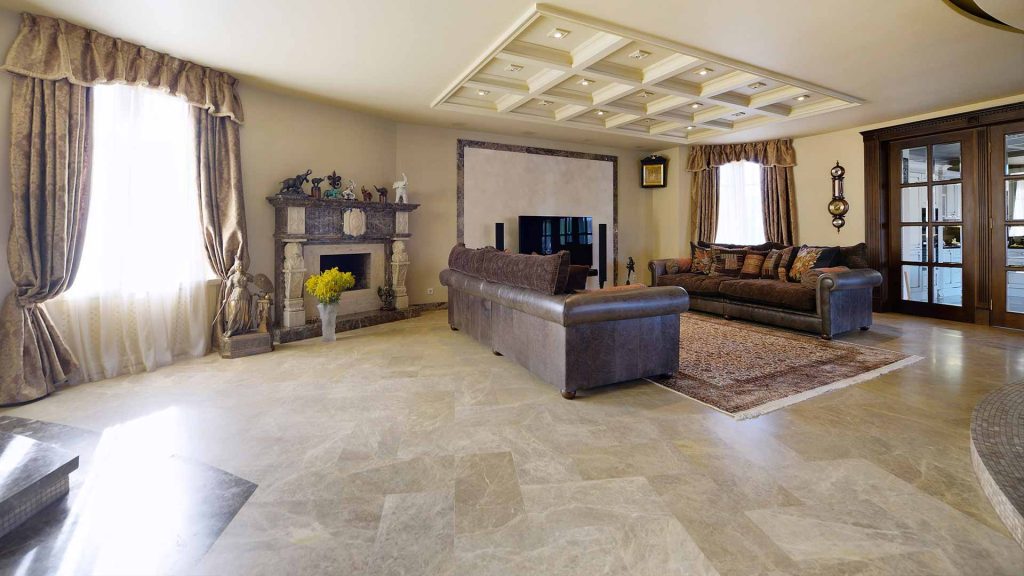
We’ll inspect your floors, lay stain samples, and give you a clear written quote. No pressure, no subcontractors, ask about our lifetime warranty.