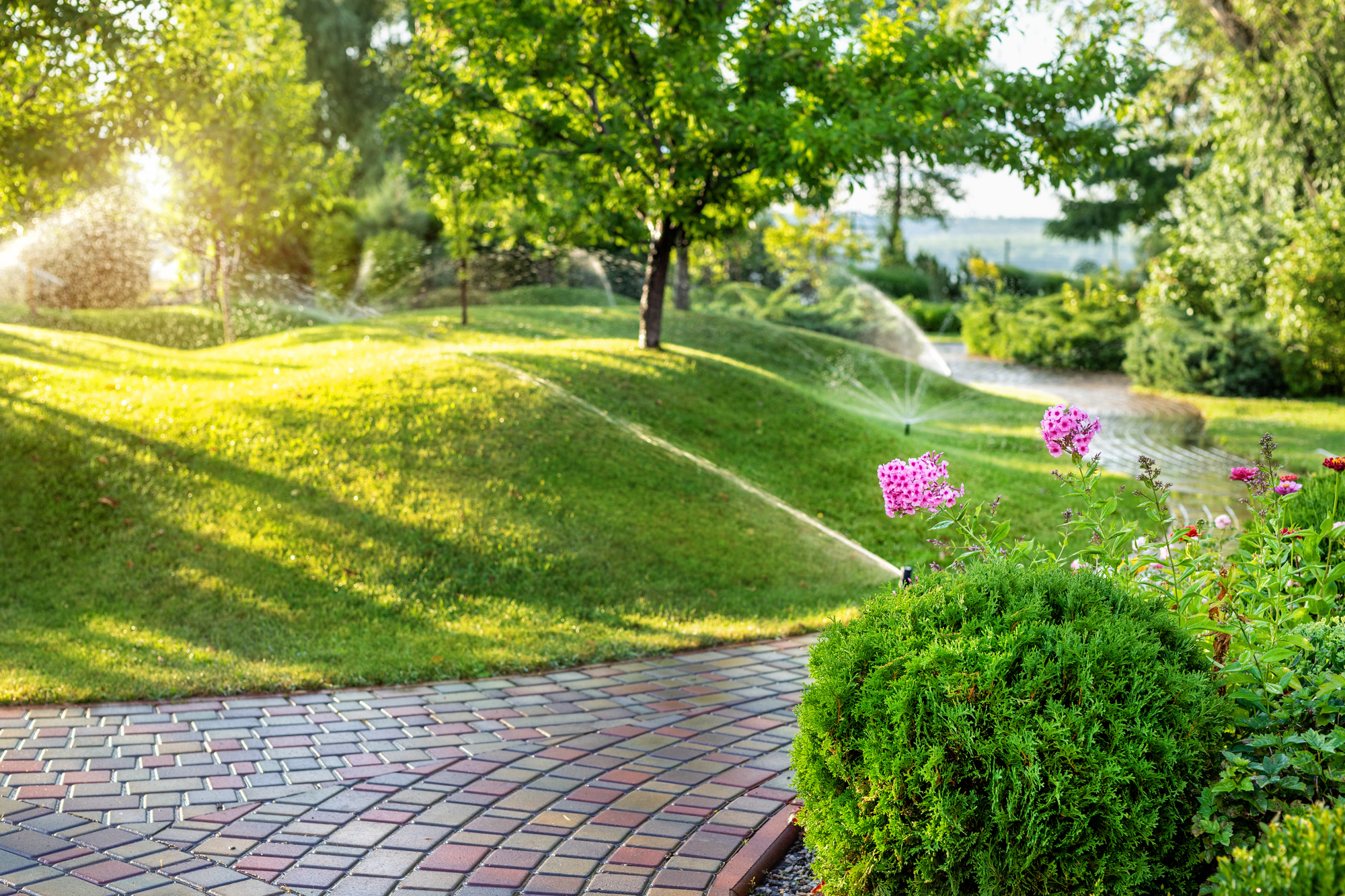

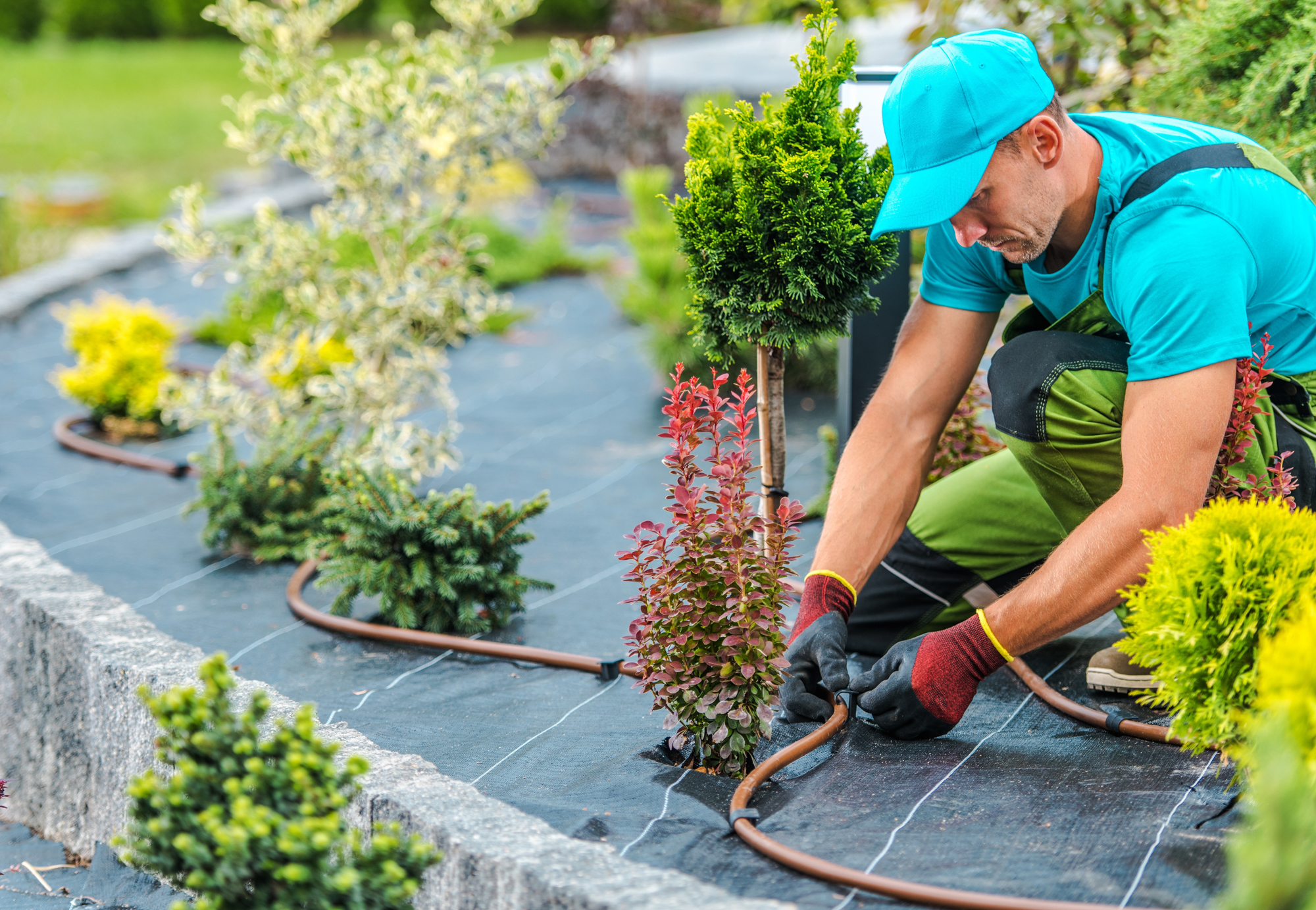
Homeowners often expect their irrigation systems to run effortlessly without needing much attention for the rest of their lives. However, like any other machinery, irrigation systems require regular maintenance to function correctly.
Consistent supervision is essential to prevent expensive repairs. By scheduling routine checkups and taking care of your irrigation system, you can ensure it delivers adequate watering that keeps your lawn, garden, or landscape thriving. Additionally, maintaining your system can help reduce water bills by minimizing waste from leaks or inefficient watering practices.
Therefore, here are a few important tips for running your irrigation system efficiently over the long haul.
1. Inspect for Leaks
It is important to keep an eye out for leaks to avoid wasting water and incurring higher bills. Look for signs like puddles, excessively wet spots, or uneven growth in your yard or garden. Even minor leaks can result in major water loss over time.
Regular system inspection helps you identify problems early, minimizing the risk of costly repairs or damage. Often, a leak might just be due to a cracked sprinkler head or a loose connection, which can be easily repaired.
2. Test Each Zone
Most irrigation systems are organized into zones to deliver tailored watering for various parts of your landscape. Running each zone individually is crucial to confirm that all sprinklers function properly.
Ensure that each zone distributes water evenly and watch for malfunctioning sprinklers or those that spray unevenly. Testing each zone also allows you to pinpoint areas that may require more or less water, enabling you to make adjustments that keep your entire landscape thriving and well-hydrated.
3. Check for Clogs
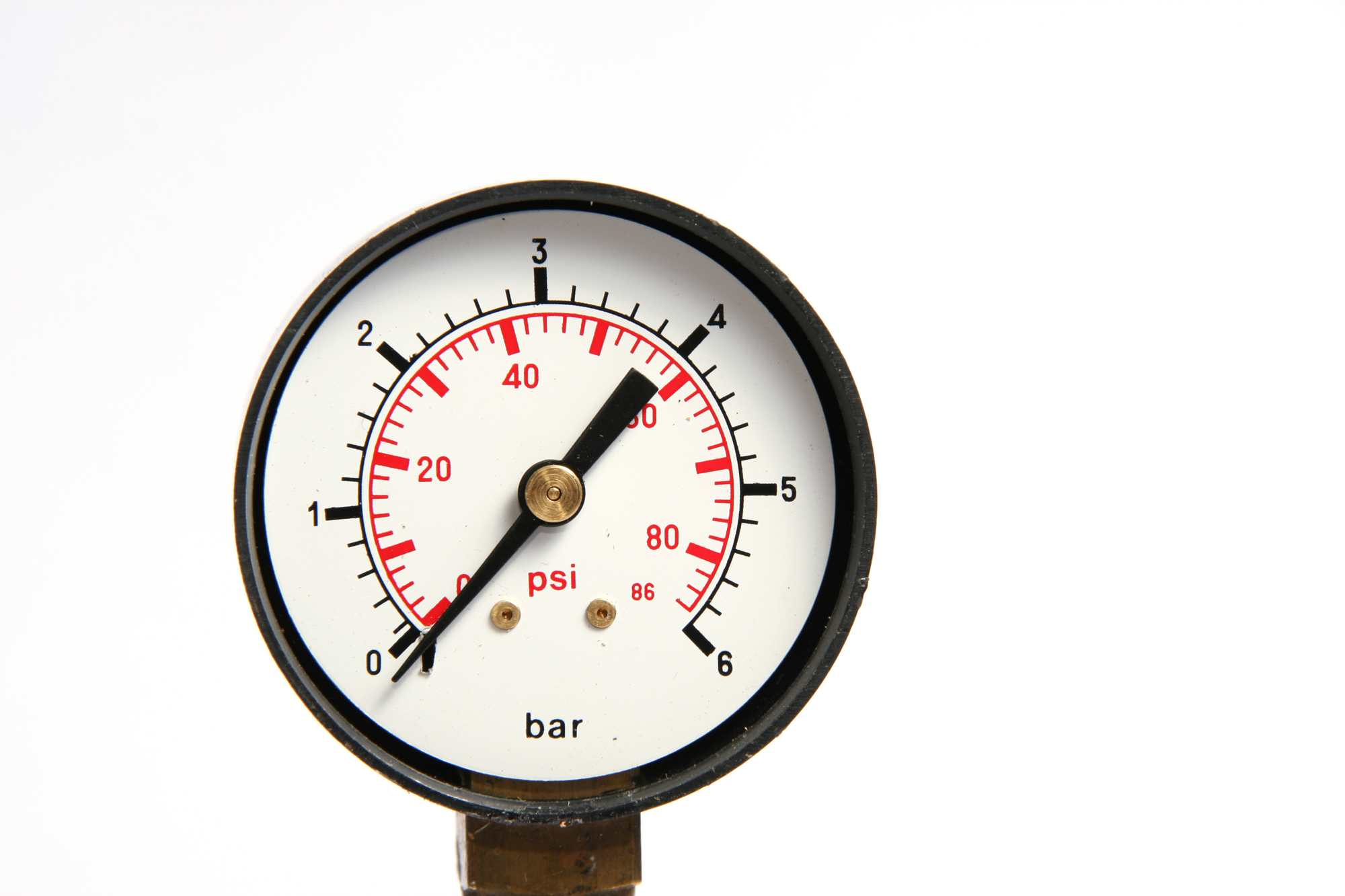
Over time, sprinkler heads and nozzles can get clogged with dirt, grass, or other debris. These clogs can lower water pressure and disrupt even water distribution, leading to dry patches in your lawn or garden.
You can ensure that every area gets the right amount of water by routinely checking and cleaning out clogged nozzles. This straightforward maintenance task can significantly enhance the efficiency of your irrigation system and help prevent your plants from being under or overwatered in certain areas.
4. Adjust Timers
As the seasons shift, it’s important to modify your watering schedule accordingly. Water evaporates more rapidly in the sweltering summer months, particularly if you irrigate during the hottest part of the day. To minimize evaporation and optimize your water usage, set your irrigation system to operate in the early morning or late evening when temperatures are lower.
This ensures that your plants receive the necessary moisture while conserving water by limiting waste from evaporation. Furthermore, you may need to tweak the frequency and duration of your watering based on the weather conditions in your area to prevent overwatering or underwatering.
Conclusion
Keeping your irrigation system running smoothly is essential for a vibrant landscape and reducing water costs. Implementing these simple tips—checking for leaks, testing each zone, clearing clogs, adjusting timers, and cleaning filters—will help your system operate efficiently and extend its lifespan.
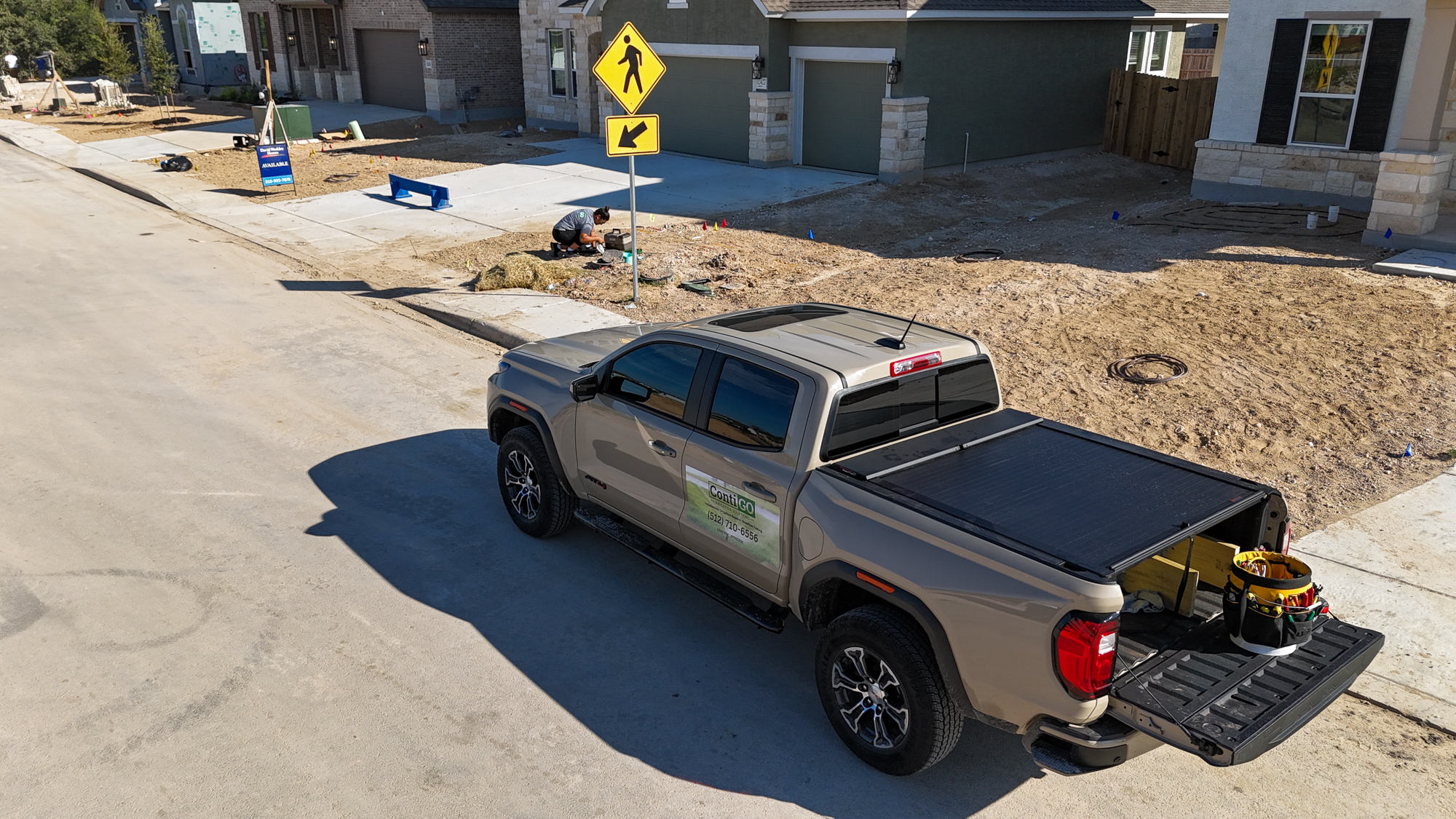
At ContiGO Irrigation Solutions, we understand the importance of properly maintaining your irrigation system. We are here to assist you with everything from irrigation installation and sprinkler repairs to backflow testing.
So, Contact Us today if you need help with your irrigation system. We’re here to ensure your landscape remains beautiful throughout the year!