
If you’re dealing with low water pressure in your sprinkler system, you’re not the only one. Many homeowners face this issue and wonder how to improve water pressure to keep their lawns and gardens green and healthy.
Water pressure can vary between neighborhoods, but there are steps you can take to make the most of your pressure. Using it efficiently and finding any problems causing low pressure can achieve the desired results for your lawn and garden.
In this article, we’ll look at some of the best ways to boost water pressure in your sprinkler system to ensure your lawn gets enough water.
1. Perform a Pressure Test
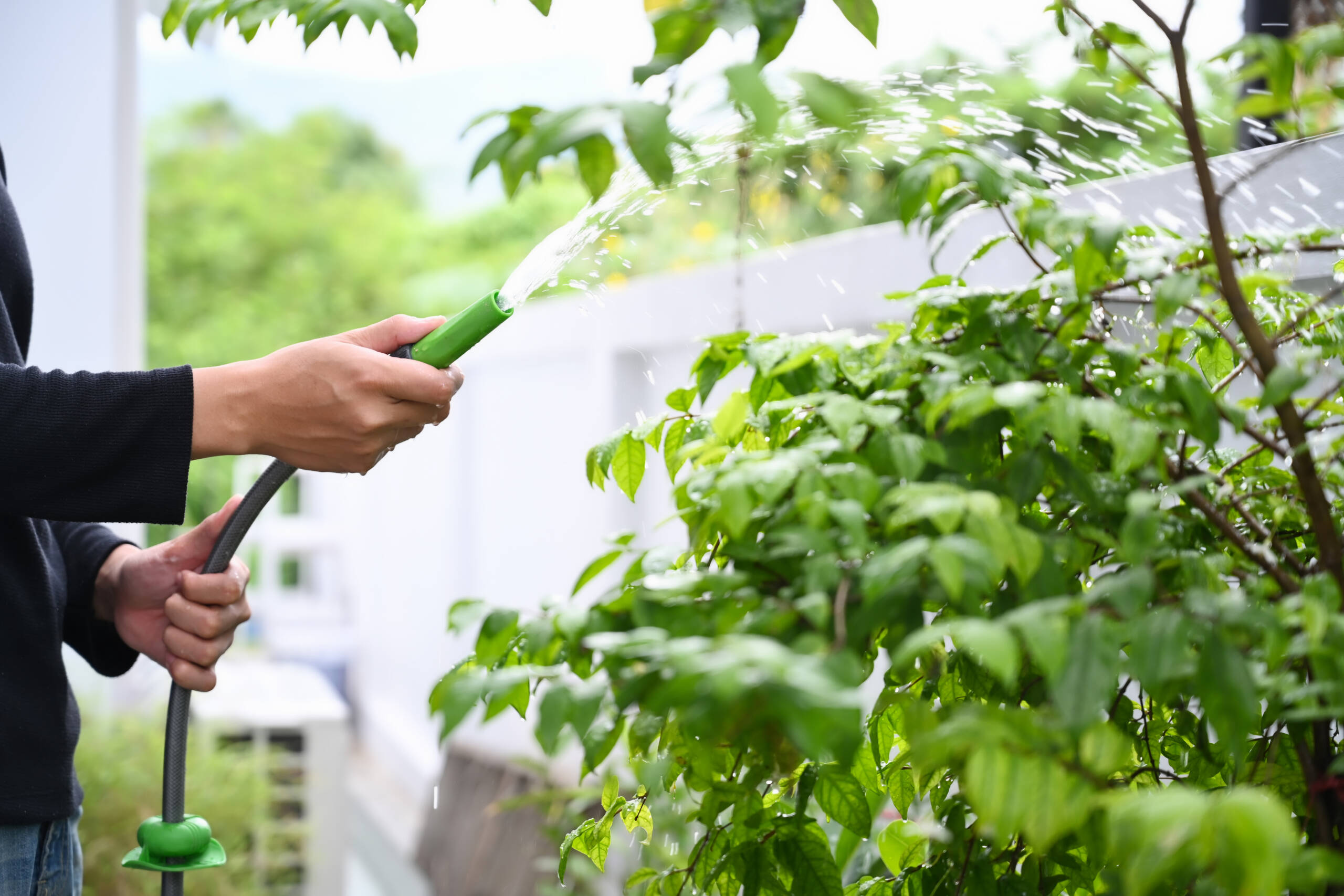
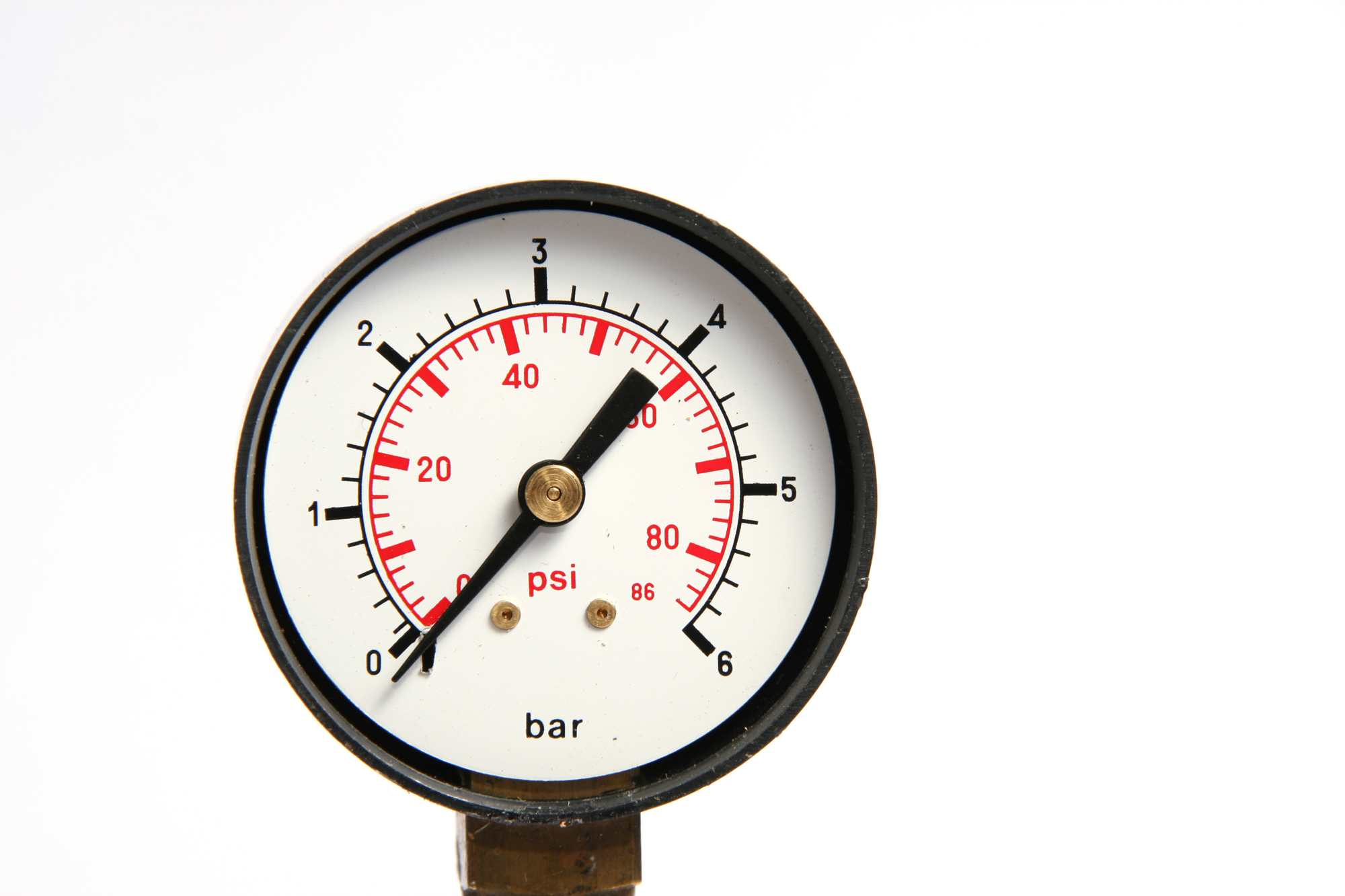
The first step is to perform a proper pressure test. It’s best to do this as close to the water meter or primary water source as possible. This will give you the most accurate reading, as it’s close to where your irrigation system is connected.
You won’t know where you’re starting without knowing your water pressure, and it’s extremely important to do this. Every sprinkler has flow and pressure charts based on different sizes, and using the results from your pressure test can help you make better choices, like choosing the right sprinkler heads or adjusting the spacing.
2. Check the Pressure Regulator
Check the pressure regulator to boost water pressure in your sprinkler system. This device controls the water pressure in your home to keep it at a safe level. Over time, the regulator can get clogged and need cleaning or replacement.
If you need to replace the pressure regulator, selecting the right one for your home or irrigation system is crucial. Regulators come in different sizes and pressure ratings, so pick one that fits your needs. Also, ensure it’s installed properly and in the correct spot, as incorrect installation can lead to lower water pressure.
3. Inspect the Sprinkler Heads and Bodies
Clogged sprinkler heads are another common reason for low water pressure in sprinkler systems. Over time, dirt, debris, and other particles can block the small openings in sprinkler heads, reducing water flow and affecting the sprinklers’ effectiveness.
To fix this, check each sprinkler head and clear away any debris. If the issue continues, you might need to replace the sprinkler heads. Remember to flush the system thoroughly before installing a new nozzle.
Also, different sprinkler heads require varying water pressure. If your current heads are causing low water pressure, switch to a type that requires less pressure.
For instance, low-pressure sprinkler heads can more efficiently water your lawn and garden. Low-pressure heads usually need to run longer since they spread water more slowly, so consult a professional about adjusting your run times.
4. Check for Leaks
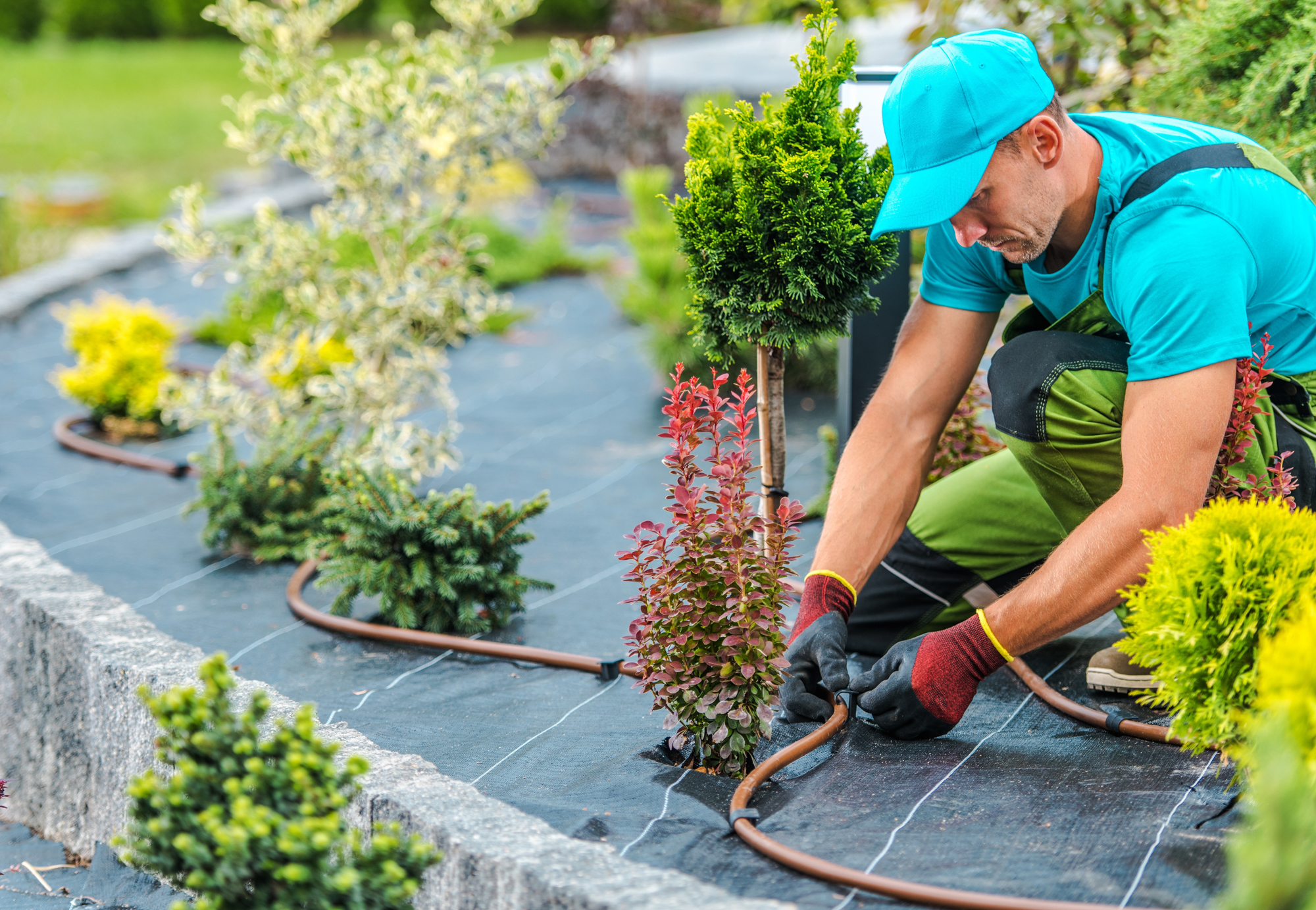
Leaks can lead to low water pressure in your sprinkler system. To find leaks, inspect each sprinkler head and the area around it for signs of water pooling at the base. Walk around your yard to check for unusually wet or soft spots. If you notice water or mud, a leak likely needs fixing.
Damaged pipes, loose connections, or broken sprinkler heads can cause leaks.
Older sprinklers often have worn-out seals that leak, so replacing the sprinkler body can help resolve the issue.
Check your water meter if you’re unsure whether the problem is with your sprinkler system or your water supply. First, ensure all home water-using appliances are turned off, then see if the meter is still running. If it is, there might be a leak in your water supply system causing the low pressure.
To resolve the issue, it’s a good idea to call a professional to inspect and repair any leaks. At Contigo Irrigation Solutions, we bring experienced professionals to help you with these problems.
5. Increase the Water Supply
Many people connect their sprinkler system to a smaller line, like a back tap or a smaller copper pipe. The best method, if possible, is to connect directly from the water meter and use a larger 25mm water supply line. Bigger pipes can deliver more water to your sprinkler system, helping to improve water pressure.
6. Contact a Professional
Low water pressure in the sprinkler system can be frustrating, but it’s manageable. By practicing a few measures, you can improve pressure and keep your lawn green and healthy. If you’re still struggling with your system, it may be time to call a professional for help.
At Contigo Irrigation Solutions, we help you repair and install irrigation systems. If your system has low pressure, trust us to fix the problem.
Conclusion
Increasing the water pressure in your sprinkler system can make a big difference in keeping your lawn and garden lush and healthy. You can boost your system’s performance by checking your pressure regulator, inspecting sprinkler heads, looking for leaks, testing pressure, and upgrading your water supply line.
Contigo Irrigation Solutions is here to help if you’re still having trouble. With our expertise, we can diagnose and fix any issues to ensure your sprinkler system works efficiently.
Contact us today for professional assistance and to get your system running smoothly!